


Criminal Violence and Urban Insecurity
This line seeks to document, analyze and theorize the interaction between four types of actors in specific territorial contexts: organized crime actors, law enforcement and the judicial system, political actors, and local society. This interaction and its specific characteristics in each local context determine the type of access to civil, political and social citizenship rights that shape the inhabitants’ experience with democracy, violence, and corruption (which is often associated with patterns of structural violence).
The line will also document the structure of criminal trajectories throughout the life cycle, as well as the role of the penitentiary system in deepening or breaking these trajectories. In addition, it will critically analyze the different strategies of state institutions to address the problem of organized crime at the territorial level.
Based on this accumulation of knowledge, it will be possible to contribute to the discussion and design of new public policies focused on the search for solutions to the problem of criminal violence and its interaction with democracy and citizenship rights.
RESEARCH PROJECTS 2025
1.Organized Crime and Illegal Markets
The Drug Market in Chile
Carla Alberti, Juan Pablo Luna, Pilar Larroulet, and Roberto Parra
This project examines how the growing complexity of organized crime shapes democracies in the region. Focusing on the dynamics of drug trafficking, it seeks to understand the evolution of the drug market in Chile and its impact on governance and security, providing key empirical evidence for public debate.
Convicted Women and Drug Crimes
Catalina Droppelmann
This project studies the lives of women incarcerated for drug offenses in three Chilean prisons, many of them migrants, to understand their trajectories and participation in the drug market. In addition, it explores the processes of desisting from crime and the structural obstacles to social integration, analyzing their relationship with gender expectations and roles.
Timber Theft in Chile
Fernando Pairacan
This project analyzes the phenomenon of timber theft in Chile, addressing its links with territorial conflict, illegal economies, and the dynamics of violence in the southern part of the country.
2.Democracy and Violence
Human Rights and Violent Democracies in Film Production
Salvador Millaleo and Loreto Quiroz
This study analyzes audiovisual productions and their configuration as a privileged space to explore how democracy and human rights are experienced, interpreted, or transgressed in the region.
Pluralizing Fears
Ángel Aedo
This project seeks to diversify and typologize contemporary fears. Through eight thematic episodes, the podcast explores different forms of fear and their effects on social and political life.
Geographies of Confinement and Forced Mobility
Ángel Aedo
This project seeks to analyze the territorial dynamics of confinement and criminalization of the Mapuche and non-Mapuche population in Wallmapu (the regions of Araucanía and Biobío), including human trafficking as a contemporary form of control and forced mobility.
Lynchings and Popular Legal Culture in Chile
Loreto Quiroz
This project explores citizen perceptions of lynchings and legality in popular urban neighborhoods of Santiago, Chile, where these actions have occurred. Through interviews, it analyzes how legality is conceived and constructed around punishment in these territories. It seeks to understand the social meanings of these practices through the lens of legal consciousness and legal alienation.
3.Punitivism and Youth: Targets of Repression
Encampments, Childhood, and Violence
María Paz Trebilcock
This project conducts ethnographic work in the Batuco encampments to understand how the housing crisis affects the development of children and adolescents. It analyzes experiences of childhood in highly vulnerable contexts, highlighting the silences and challenges that mark their daily lives. The study is projected to be replicated in Lampa and Rancagua to broaden the understanding of these realities.
Juvenicide: An Exploration of the Deaths of Children and Adolescents
Angel Aedo, Catalina Droppelmann, and Alejandra Luneke
This project explores the deaths of children and adolescents in Chile through the notion of juvenicide. It analyzes how structural, institutional, and criminal violence converge in these deaths.
Narco-culture and High School Education in Chile and Uruguay
Juan Pablo Luna
This study explores the links between schoolchildren and criminal organizations in Chile and Uruguay.
Youth violence
Catalina Droppelmann, Angel Aedo, and Alejandra Lunecke
This project investigates the dynamics and meanings that young people in juvenile justice sentence-serving centers attribute to violence.
4.Gender and Punitive Populism
Gender, Crime, and Political Responsibility
Carla Alberti
This project analyzes how insecurity affects public perceptions of female local authorities, showing how security is used as an argument to delegitimize or politically punish female mayors and other female figures.
Women Repressors: Confinement and Memory
Catalina Droppelmann, Ángel Aedo, and Marcela Cornejo
This project focuses on women who are serving sentences for crimes against humanity, with the aim of understanding the narratives they construct around their participation in repressive practices. Through in-depth interviews, the project seeks to explore how these women construct their memories, justify or stress their actions, and redefine their experience in the face of criminal convictions and social memory.
Ya Egresaron

Criminal Violence and Urban Insecurity
Inés Fynn
PhD in Political Science from the Pontifical Catholic University of Chile. She earned her degree with the dissertation: Unveiling Commitments of Silence: Reciprocity Networks and Drug Gangs in Montevideo, Uruguay.
Contacto
ines.fynn@ucu.edu.uy

Criminal Violence and Urban Insecurity, Political, Ethnical and Radicalization Violence
Diego Sazo
PhD in Political Science from the London School of Economics (United Kingdom). He graduated with the dissertation “The Violent Disconnection: The Logic of Protest Violence in Contemporary Latin America.” He was a fellow of the National Research and Development Agency (ANID) (Chile) and his fieldwork was supported by the Sir Patrick Gillam Scholarship Fund (United Kingdom).
Political Scientist from the Pontifical Catholic University of Chile and Master of Arts in Political Science from the London School of Economics.
Contacto
diesazo@gmail.com
Investigador Asociado
Structural Violence and Discrimination, Criminal Violence and Urban Insecurity, Political, Ethnical and Radicalization Violence
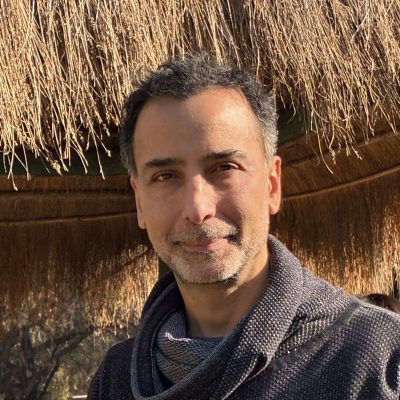
Ángel Aedo
Associate Researcher /Director
Director and principal researcher of VioDemos. Professor at the School of Anthropology of the Pontificia Universidad Católica de Chile, researcher at the Center for Justice and Society Studies at the Pontificia Universidad Católica de Chile, the Center for Intercultural and Indigenous Studies (CIIR) and the Millennium Nucleus Criminal Complexity. He trained as an Anthropologist at the National School of Anthropology and History of Mexico and obtained his PhD in Social Anthropology and Ethnology from the École des Hautes Études en Sciences Sociales in Paris.
Contacto
jaedog@uc.cl
Structural Violence and Discrimination, Criminal Violence and Urban Insecurity
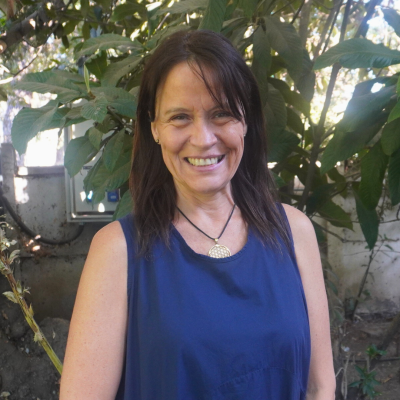
Alejandra Luneke
Associate Researcher / Alternate Director
VioDemos principal Researcher and VioDemos Alternate Director. Professor at the School of Government and Public Administration at Universidad Mayor. Researcher in charge of the Fondecyt Regular Project Nº1240879 “Gender, policing, urban margins: exploring the practices and social interactions of policewomen with subjects in Chile” (2024-2027) and part of the team of the Millennium Nucleus of Criminal Complexity.
Contacto
graciela.luneke@umayor.cl
Structural Violence and Discrimination, Criminal Violence and Urban Insecurity
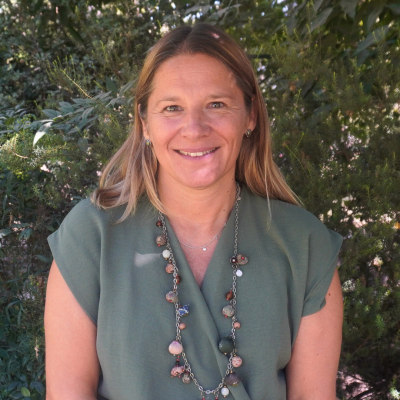
Catalina Droppelmann
VioDemos Principal Researcher and coordinator of the Criminal Violence Line. Executive Director of the Centro de Estudios Justicia y Sociedad UC, research professor at the Instituto de Sociología UC and Escuela de Gobierno UC. She directs the Millennium Nucleus Criminal Complexity and leads the Fondecyt Initiation project “Desistance and persistence in drug trafficking: an unexplored trajectory” (2024-2027). She is an affiliated member of the Centre for Community, Gender and Social Justice of the University of Cambridge.
Contacto
cadroppelmann@uc.cl

Structural Violence and Discrimination, Criminal Violence and Urban Insecurity
Juan Pablo Luna
Coordinator
VioDemos Principal Researcher. Professor at the School of Government UC and full professor at McGill University in Canada where he holds the Diamond-Brown Chair in Democracy Studies. Researcher at the Instituto Milenio Fundamento de los Datos and the Centro de Ecología Aplicada y Sustentabilidad. He is researcher in charge of the Fondecyt Regular project “Unequal Democracies in Weak(er) States. Assesing Latin America’s Development Trap” (2023-2026) and in 2023 he received the grant The Harry Frank Guggenheim Foundation to develop the research ‘Organized Crime, State Crises, and the Consolidation of Violent Democracies’.
Contacto
jlunaf@uc.cl

Criminal Violence and Urban Insecurity, Political, Ethnical and Radicalization Violence
Salvador Millaleo
VioDemos Principal Researcher. Assistant professor at the Faculty of Law of the University of Chile and researcher at the Human Rights Center of the same university.
Contacto
smillaleo@derecho.uchile.cl
Investigador Adjunto

Criminal Violence and Urban Insecurity, Political, Ethnical and Radicalization Violence
Fernando Pairican
VioDemos Associate Researcher. Professor at the School of Anthropology of the Pontificia Universidad Católica de Chile and researcher at the Centro de Estudios Interculturales e Indígenas CIIR. He directs the Mapuche Thought Collection of Editorial Pehuen.
Contacto
fernando.pairican@uc.cl
Criminal Violence and Urban Insecurity, Structural Violence and Discrimination
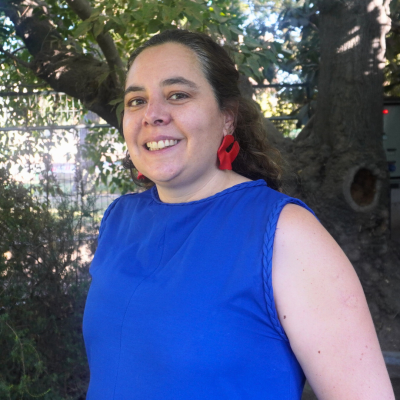
María Paz Trebilcock
VioDemos associate researcher. Assistant Professor at the Institute of Social Sciences of the University of O’Higgins. Principal investigator of the Fondecyt “Access to housing in times of crisis: land access strategies of the urban poor in Santiago de Chile” (2022-2025).
Contacto
maria.trebilcock@uoh.cl

Structural Violence and Discrimination, Criminal Violence and Urban Insecurity
Pilar Larroulet
VioDemos adjunct researcher. Assistant Professor at Rutgers University School of Criminal Justice.
Contacto
plarroul@uc.cl

Criminal Violence and Urban Insecurity
Romina Ramos
VioDemos Associate Researcher. Professor at the Faculty of Social Sciences at the University of Tarapacá. Alternate Director of the Millennium Nucleus on Criminal Complexity and co-researcher of the regular Fondecyt project: “The Securitization of Borders and the Reorganization of Control: Tensions and Articulations in the Set of Mobilities in Historical Tarapacá (2025-2028).
Contacto
rramosr@academicos.uta.cl
Criminal Violence and Urban Insecurity, Political, Ethnical and Radicalization Violence
Carla Alberti
VioDemos young researcher. Assistant Professor at the Institute of Political Science of the Pontificia Universidad Católica de Chile, researcher at the Instituto Milenio Fundamentos de los Datos, researcher of the Fondecyt Regular “Local Crime and Electoral Politics: Assessing the Impact on Incumbent and Challengers” and co-investigator of the Fondecyt Regular project “Women in Local Politics: Spending Patterns, Policy Outcomes, and Citizen Evaluation”
Contacto
caalbert@uc.cl

Political, Ethnical and Radicalization Violence, Criminal Violence and Urban Insecurity
(Español) Marcela Tapia Ladino
(Español) Profesora titular de la Facultad de Ciencias Sociales de la Universidad de Tarapacá (Sede Iquique).
Contacto
matapial@academicos.uta.cl
Investigadores Jóvenes

Criminal Violence and Urban Insecurity
Loreto Quiroz
VioDemos young researcher. Assistant Professor at the Institute of Social Sciences of the University of O’Higgins and Co-coordinator of the Working Group on Vigilantism, Collective Violence and Security Governance of the Latin American Council of Social Sciences.
Contacto
loreto.quiroz@uoh.cl

Structural Violence and Discrimination, Criminal Violence and Urban Insecurity
(Español) Gonzalo Parra
Analista en políticas y asuntos internacionales de la Universidad de Santiago de Chile y Magíster en Ciencia Política de la Pontificia Universidad Católica de Chile. Estudiante de Doctorado en Ciencia Política en la misma universidad y becario de la Agencia Nacional de Investigación y Desarrollo ANID.
Contacto
gaparra@uc.cl
Investigador Postdoctoral

Criminal Violence and Urban Insecurity
(Español) Gonzalo García-Campo
(Español) Abogado por la Universidad de Chile, Máster en Derecho (LLM) por London School of Economics and Political Science. Doctor en Criminología por la Universidad de Oxford. Postdoctorante de la British Academy en el Centro de Criminología de la Universidad de Oxford.
Contacto
ggarciacampo@gmail.com
Investigadores Senior

Criminal Violence and Urban Insecurity, Political, Ethnical and Radicalization Violence
Helene Risor
Senior Researcher VioDemos. Associate Professor at the Department of Anthropology of the University of Copenhagen. Principal researcher at the Fondecyt project “After Harm: Interdisciplinary explorations of reparation initiatives in post dictatorship Chile” (2023-2026) and coordinator of the Latin American Social School on Social Issues LASI.
Contacto
hrisor@uc.cl

Criminal Violence and Urban Insecurity, Political, Ethnical and Radicalization Violence
Hugo Rojas
Ph.D. in Sociology from University of Oxford, M.Sc. in Law, Anthropology and Society from the London School of Economics. Lecturer in Sociology of Law at Alberto Hurtado University School of Law. Adjunct Professor at the Institute of Political Science, Pontifical Catholic University of Chile. Also, researcher at the Interdisciplinary Research Program on Memory and Human Rights and the Interdisciplinary Center on Public Policy, both at the Alberto Hurtado University.
Contacto
hurojas@uahurtado.cl
Investigadores colaboradores/as
Structural Violence and Discrimination, Criminal Violence and Urban Insecurity
Pilar Ortiz
Postdoctoral researcher at VioDemos in the Department of Sociology at the Universidad Alberto Hurtado.
Contacto
por.ortiz@gmail.com
Criminal Violence and Urban Insecurity, Structural Violence and Discrimination
(Español) Paola Díaz
(Español) Profesora del Departamento de Antropología de la Universidad de Tarapacá. Investigadora asociada al Centre d’études des mouvements sociaux de l’École des hautes études en sciences sociales (EHESS).
Contacto
pdiaza@academicos.uta.cl
Estudiantes de Doctorado
Criminal Violence and Urban Insecurity, Structural Violence and Discrimination
Bianca Da Silva
VioDemos Ph D. student. Lawyer from the University of Fortaleza, Brazil. Master in Psychology with mention in Community Psychology from the University of Chile. Phd. candidate in Sociology at the Pontificia Universidad Católica de Chile.
Contacto
bbaracho@uc.cl

Criminal Violence and Urban Insecurity
Camilo Plaza
VioDemos PhD student. BA in History from Pontificia Universidad Católica de Chile, MA in History from Universidad de Santiago de Chile. Phd. student in History at Lateinamerika Institut, Freie Universität Berlin.
Contacto
camilo.plaza@viodemos.cl

Criminal Violence and Urban Insecurity
Cristóbal Palma
VioDemos PhD student. Anthropologist and Master in Sociology at Universidad Alberto Hurtado. D. candidate in Anthropology at Pontificia Universidad Católica de Chile.
Contacto
cspalma1@uc.cl

Criminal Violence and Urban Insecurity
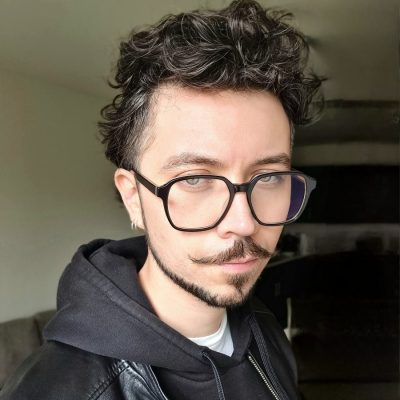
Gloria Mancilla
VioDemos PhD student. Master in Prevention, Urban Security and Criminology at Universidad Alberto Hurtado. Phd. student in Law at the same university.
Contacto
gloria.mancilla.ibacache@gmail.com
Criminal Violence and Urban Insecurity
Nicolás Díaz
VioDemos PhD student. Anthropologist from Universidad de Chile, Phd. student in Anthropology at Princeton University.
Contacto
nicolas.diaz@viodemos.cl

Criminal Violence and Urban Insecurity, Structural Violence and Discrimination
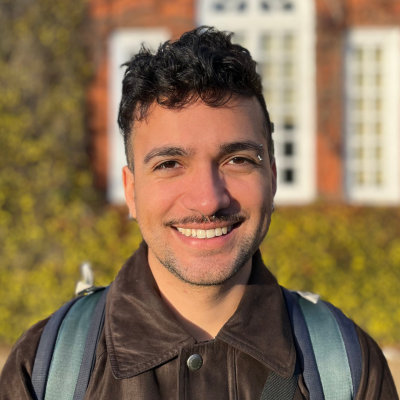
Constanza Tizzoni
Anthropologist from the Universidad de Chile. PhD student in Anthropology at the Pontificia Universidad Católica de Chile. Fellow of the National Research and Development Agency (ANID).
Contacto
ctizzoni@uc.cl
Criminal Violence and Urban Insecurity
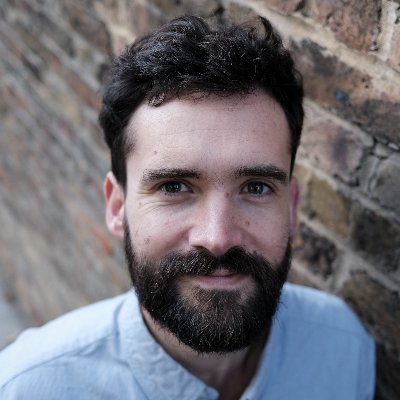
Matías Aravena
Anthropologist from the Pontificia Universidad Católica de Chile, with a Master’s degree in Politics, Violence, and Crime from University College London. Currently PhD student in Social Anthropology at the University of Cambridge. Fellow of the National Research and Development Agency (ANID) of Chile.
Contacto
m.aravena@viodemos.cl
Criminal Violence and Urban Insecurity, Political, Ethnical and Radicalization Violence
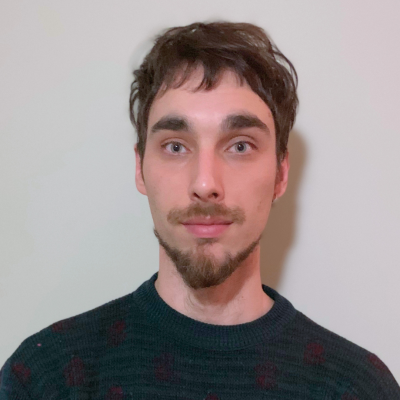
Pascual Cortés
VioDemos PhD candidate. Lawyer from the Universidad de Chile, Master of Laws (LL.M.) from the London School of Economics and Political Science (LSE). PhD candidate in Law at the same university.
Contacto
p.cortes@lse.ac.uk
Criminal Violence and Urban Insecurity
Martín Álvarez
A sociologist from the Pontificia Universidad Católica de Chile, with a Master’s degree in Urban Development from the same university. He is currently a PhD student in Criminology at Stockholm University, Sweden.
Contacto
martin.alvarez@criminology.su.se
Structural Violence and Discrimination, Criminal Violence and Urban Insecurity
(Español) Rolando Carmona
(Español) Sociólogo de la Pontificia Universidad Católica, Magíster y estudiante de doctorado en Criminología en la Universidad de Cambridge.
Contacto
rjc216@cam.ac.uk
Criminal Violence and Urban Insecurity, Structural Violence and Discrimination
(Español) Catalina Rufs Orellana
(Español)
Ingeniera Comercial de la Universidad de Chile, Magíster en Sociología de la Pontificia Universidad Católica. Candidata a doctora en Sociología de la misma universidad, en co-supervisión con la Universidad de Leiden, Países Bajos. Becaria ANID.
Contacto
cirufs@uc.cl